

Overview
The District of Columbia Courts are here to serve you. We hope this website helps you find the information you need to complete your court business more easily.
The DC Courts include:
District of Columbia Court of Appeals (the highest court for DC)
Superior Court of the District of Columbia (the trial court)
Court System (provides administrative support to both courts)
The Courts are the third branch of the District of Columbia government. The Mayor leads the executive branch, and the DC Council is the legislative branch. As the judicial branch, the Courts hear cases and make decisions based on the law and the evidence presented.
Learn about the history of the DC Courts:
Understanding DC Courts
Court Structure
As the judicial branch of the DC government, the DC Courts serve the residents of Washington, DC, by providing fair, timely, and accessible justice for all. The DC Courts are made up of of two courts—the Superior Court and the Court of Appeals.
Superior Court
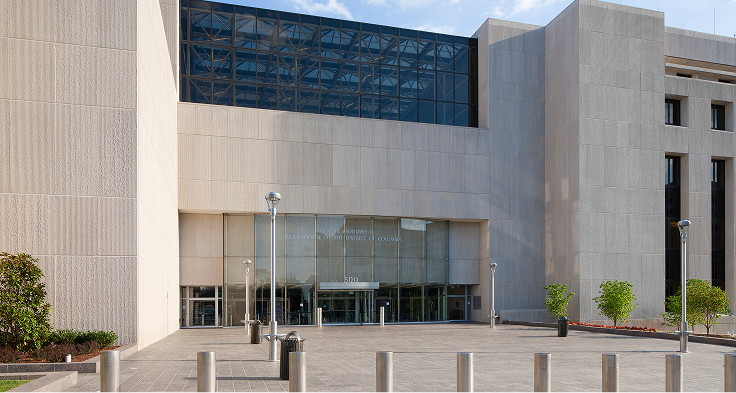
The Superior Court is the trial court for the District of Columbia. It handles nearly all local legal matters, including: civil disputes, criminal matters, family law and juvenile cases, landlord and tenant disputes, probate and tax matters, and traffic violations.
The Superior Court also operates specialized problem-solving courts, such as Drug Court, Family Treatment Court, and Fathering Court, which connect people to services and focus on rehabilitation and safety.
Court of Appeals
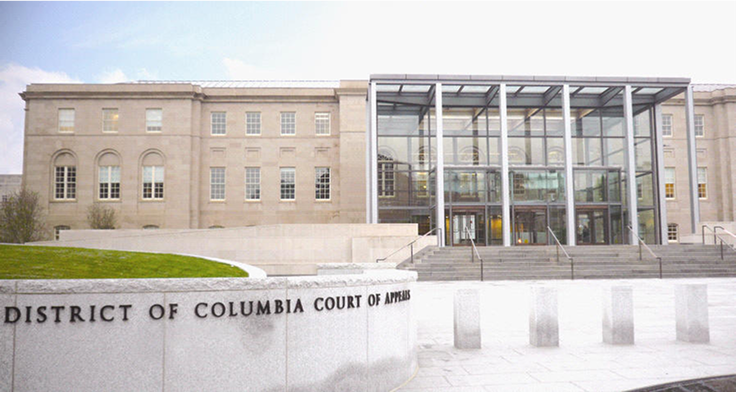
The Court of Appeals is the highest court for the District of Columbia. It hears appeals from decisions of the Superior Court and DC government agencies. The Court of Appeals is also responsible for setting rules for the courts and overseeing the legal profession in the District.
Judicial Leadership
The DC Courts are led by the Chief Judges of the Court of Appeals and the Superior Court. Together with court administrators and support staff, they ensure the courts operate efficiently, uphold the rule of law, and serve the public.
Chief Judge Anna Blackburne-Rigsby
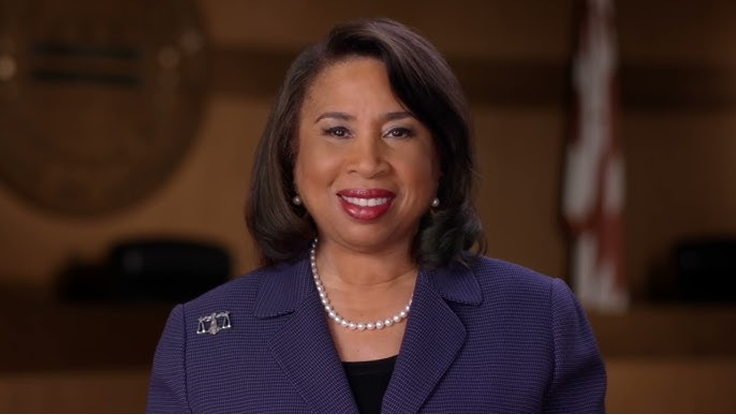
The Honorable Anna Blackburne-Rigsby was sworn in as Chief Judge of the District of Columbia Court of Appeals on March 17, 2017. As Chief Judge of the District of Columbia Court of Appeals, Chief Judge Blackburne-Rigsby chairs the Joint Committee on Judicial Administration for the District of Columbia.
Chief Judge Milton C. Lee Jr.
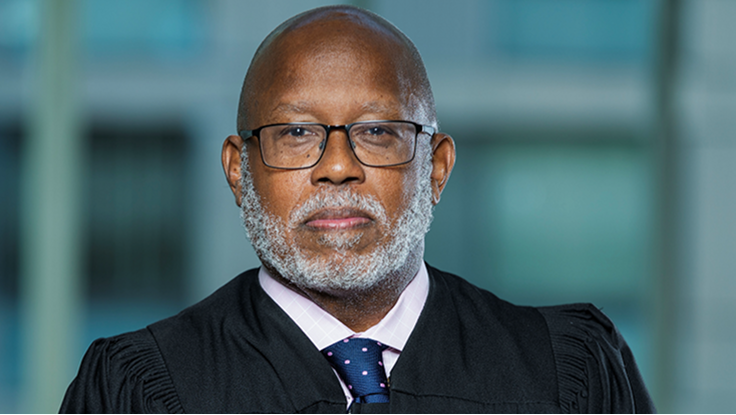
On October 1, 2024, the Honorable Milton C. Lee, Jr. begins his four-year term as Chief Judge of the Superior Court. He has served in the Criminal, Civil, and Domestic Violence Divisions as well as the Family Court.
Joint Committee on Judicial Administration
The Joint Committee on Judicial Administration in the District of Columbia is the policy-making body for the District of Columbia Courts. By statute, its responsibilities include, among others, general personnel policies, accounts and auditing, procurement and disbursement, development and coordination of statistics and management information systems and reports, and submission of the annual budget request.
The Joint Committee was created as part of the District of Columbia Court Reform and Criminal Procedure Act of 1970 (the Act). Pursuant to the Act, five judges serve on the Joint Committee: the Chief Judge of the District of Columbia Court of Appeals, who is the chair; the Chief Judge of the Superior Court of the District of Columbia; an associate judge of the Court of Appeals, who is elected by the judges of that court; and two associate judges of the Superior Court, who are elected by the judges of the Superior Court.
By statute, there is an Executive Officer for the District of Columbia Courts, who is responsible for the administration of the Courts, subject to the supervision of the chief judges of the two courts, regarding the implementation in the respective courts of various administrative matters, consistent with the general policies and directives of the Joint Committee.
Executive Office and Court System
The Executive Officer is the chief administrative official of the DC Courts. Appointed by the Joint Committee, the Executive Officer ensures that all court operations meet high standards of service, accountability, and access. The Executive Officer is assisted by a Deputy Executive Officer, who also oversees the nine divisions of the Court System that provide support to both the Court of Appeals and the Superior Court.
Learn more about the Executive Office and Court System.
Executive Officer Herbert Rouson Jr., JD
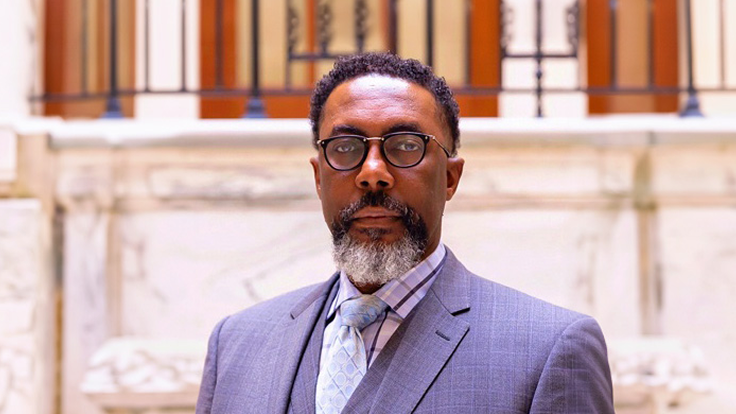
Mr. Herbert Rouson Jr., JD, was appointed Executive Officer on May 1, 2024. He brings a wealth of leadership experience to the Executive Officer position, having worked in all entities of the District of Columbia Courts -- D.C. Court of Appeals, D.C. Superior Court, and Court System.
Clerk of the Court Offices
The Clerk of the Court offices help keep the courts running smoothly. They manage court records, help schedule hearings, and give information to the public, lawyers, and judges. Each court has its own Clerk’s Office.
DC Court of Appeals – Clerk’s Office
The Clerk’s Office helps manage cases in the DC Court of Appeals, which is the highest court in the District. The office keeps records, schedules hearings, and helps the public and lawyers with court forms and filing.
DC Superior Court – Clerk’s Office
The Clerk’s Office supports the Superior Court, where most court cases in DC begin. The office takes care of court records, schedules hearings, and helps the public and lawyers with court forms and filing.
Our Mission
To protect rights and liberties, uphold the rule of law, and provide fair, timely, and accessible justice.
Our Values
Accountability
We take responsibility for our conduct and are answerable for our performance.
Excellence
We provide the highest quality of service in everything we do.
Fairness
We are impartial in our action, decisions, and treatment of others.
Integrity
We demonstrate the highest standards of ethical behavior.
Respect
We treat everyone with dignity, courtesy, and understanding.
Transparency
We are open in our processes and communicate our actions and decisions clearly.