

Child Guidance Clinic
The Child Guidance Clinic operates within the Family Court Social Services Division of the Superior Court of the District of Columbia. Its primary mission is to provide comprehensive clinical and forensic psychological evaluations that support the needs of the Court and its staff. Additionally, the Clinic offers individual and group psychotherapy, conducts empirical research, and provides expert consultation services.
The District of Columbia is a highly diverse city, encompassing a wide range of ethnicities and cultural backgrounds. A significant proportion of youth involved in the city's juvenile justice system come from economically disadvantaged and under-resourced communities, with many having experienced substantial trauma throughout their lives. The Child Guidance Clinic serves individuals from diverse backgrounds and with varying needs, including LGBTQ+ youth, non-English speaking individuals, those with co-occurring behavioral health disorders, individuals who are deaf or hard of hearing, and individuals with physical disabilities.
This diverse population allows the Clinic to offer staff and trainees valuable experience in conducting culturally informed assessments and providing services to youth dealing with a variety of cognitive, emotional, and interpersonal challenges in both community and secure settings.
The Clinic also provides clinical training for pre-doctoral psychology students, including a one-year, full-time, APA-accredited internship program, as well as training in assessment and psychotherapy for doctoral externs.
Services
Court Ordered Forensic/Mental Health Evaluations
- General Battery (Psychological)
- Psychoeducational
- Competency to Stand Trial
- Competency to Waive Miranda Rights
- Neuropsychological
- Violence Risk
- Sex Offender
- Waiver of Juvenile Jurisdiction Evaluation
Therapy Services
- Individuals and Group Therapy
- Anger Management
- Competency Attainment Classes
- Juvenile Sex Offender Treatment
Multidisciplinary Consultation and Prevention Services
- Specialty/Diversion Courts
- Juvenile Behavioral Diversion Program (JBDP)
- H.O.P.E. Court
- Commercial Sexual Exploitation of Children (CSEC) MDT and Task Force
Partners:
- Family Court Judges
- Department of Behavioral Health (DBH)
- Office of the Attorney General (OAG)
- Defense Bar
- Child and Family Service Agency (CFSA)
- Department of Health Services (DHS)
- Department of Youth Rehabilitation Services (DYRS)
Past and Current Research
- Developed of Sex Trafficking Assessment Review (STAR), empirically validated screening took to identify youth at risk for CSEC
- Measurement variance of African-Americans in the juvenile justice system
- Construct development of measures for African-American involved in the juvenile justice system
- Evaluation of the efficacy of mental health court and other probation programming
- Evaluation of stereotype threat and racial identity attitudes in the juvenile justice population
- Demographic and psychosocial factors in the juvenile justice population
- Epidemiological studies
Clinic Staff

Katara Watkins-Laws, Ph.D. is the acting chief psychologist at the Child Guidance Clinic and a licensed psychologist. She received her doctorate in Counseling Psychology from Howard University and holds a Graduate Certificate in Working with Survivors of Trauma and Torture from the University of Maryland. Dr. Watkins-Laws has worked in forensic, school, outpatient hospital, and community settings for over 15 years. Dr. Watkins-Laws completed her predoctoral internship at Lawrence Hall Youth Services, a residential treatment center in Cook County, Chicago, IL. She provides psychotherapy, assessment and consultation to children, adolescents and adults in the Washington, DC region. She has presented at multiple professional conferences and has authored and co-authored several scientific articles including publications in the NSHA Dialog, The Journal of Negro Education, and Psychology, Public Policy, and Law. At DC Courts, Dr. Watkins-Laws is part of the multi-agency juvenile specialty court stakeholders’ committees. She co-wrote multiple federal grants awarded to DC Courts’ Court Social Services Division from the Office of the Juvenile Justice and Bureau of Justice. Dr. Watkins-Laws was also a co-author of the validation study for DC Court’s Sex Trafficking Assessment Review (STAR), a screening tool to determine risk of child sexual exploitation for court-involved youth.

Jennifer Christman, Psy.D., ABPP is a supervisory psychologist at the Child Guidance Clinic. She also serves as the Clinic’s internship and externship training director. Dr. Christman is an American Board of Professional Psychology (ABPP) certified forensic psychologist and a licensed clinical psychologist. Her experience as a forensic evaluator has ranged from urban and rural court systems across the East Coast to prison systems in the Midwest, state agencies, government contractors, and private practice. She specializes in juvenile waiver/transfer, psychosexual, and violence risk assessment, parental fitness and adult civil competencies, and IMEs for U.S. Veterans. Dr. Christman is an American Academy of Forensic Psychology fellow and has given local, regional, and national presentations about forensic topics. She has been featured in Psychology Today and on The Forensic Psychologist podcast.
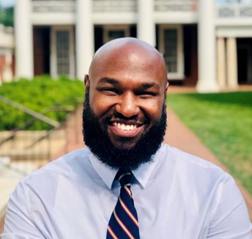
Malachi Richardson, Ph.D. is a supervisory psychologist at the Child Guidance Clinic where he provides therapy, psychological assessment, and supervision services. He has particular expertise in forensic assessment, psychopathology, adolescent development, and trauma exposure. A graduate of Morehouse College and the University of Virginia’s Curry School of Education, Dr. Richardson is passionate about providing services to underserved communities and working with youth involved with the justice system. He has provided assessment and therapeutic services for adolescents in various forensic institutions including DC Courts and the Blue Ridge Detention Center in Charlottesville, VA. In addition to his clinical experience, Dr. Richardson draws upon his research experience in the areas of youth mentoring, identity development, and violence exposure to create a detailed and well-informed understanding of the presenting issues for adolescent clients. Across the scope of his work, Dr. Richardson is committed to providing services that consider the cultural and contextual factors that influence conceptualization, treatment, and outcomes for justice system involved youth.

Ms. Daniuska R. Ruiz, originally from Dominican Republic, moved to Maryland 27 years ago. She obtained an associate’s degree from Prince George’s Community College in 2006. For the past 17 years, she has been a Deputy Clerk at DC Superior Court. Prior to joining DC Courts, Ms. Ruiz served as a Family Liaison for Prince George’s County Public Schools, a Bilingual Legal Assistant for a law firm in Silver Spring, MD and an Office Manager for a Medical Health Insurance Program for low-income families at Catholic Charities DC.

Ms. Jennifer Snow is the Psychiatric Residential Treatment Facility (PRTF) coordinator for the Child Guidance Clinic. A native Minnesotan, she moved to Maryland approximately 15 years ago. For the past 14 years, she has been employed as a Probation Officer at D.C. Superior Court in the Court Social Services Division. Prior to her employment with the D.C. Courts, she was employed as a probation officer for the State of Minnesota before she was hired as a U.S. Probation Officer for the District of South Dakota in 2001. Jennifer resides in Maryland with her husband and their two sons.
Publications
PUBLISHED MANSUCRIPTS
Andretta, J.R., Watkins, K.M., Barnes, M.E., & Woodland, M.H. (2016). Towards the discreet identification of commercial sexual exploitation of children (CSEC) victims and individualized interventions: Science to practice. Psychology, Public Policy, and Law, 22, 260-270.
Andretta, J. R., Worrell, F. C., Ramirez, A.M., Barnes, M.E., Odom, T., & Woodland, M. H. (2016). A pathway model for emotional distress and implications for therapeutic jurisprudence in African American juvenile court respondents. Cultural Diversity and Ethnic Minority Psychology, 22, 341-349. doi: 10.1037/cdp0000053
Andretta, J.R., Ramirez, A.M., Barnes, M.E., Odom, T., Roberson-Adams, S., & Woodland, M.H. (2015). Perceived parental security profiles in African American adolescents involved in the juvenile justice system. Journal of Family Psychology, 29, 884-894. doi: 10.1037/fam0000105
Andretta, J.R., Worrell, F.C., Ramirez, A.M., Barnes, M.E., Odom, T., Brim, S., & Woodland, M.H. (2015). The effects of stigma priming on forensic screening in African American youth. The Counseling Psychologist, 43, 1162-1189. doi: 10.1177/0011000015611963
Ramirez, A.M., Andretta, J. R., Barnes, M. E., & Woodland, M. H. (2015). Recidivism and psychiatric symptom outcomes in a juvenile mental health court. Juvenile and Family Court Journal, 66, 31-46. doi: 10.1111/jfcj.12025
Worrell, F.C., Andretta, J.R., & Woodland, M.H. (2014). Cross Racial Identity Scale (CRIS) scores and profiles in African American adolescents involved with the juvenile justice system. Journal of Counseling Psychology, 61, 570-580. doi: 10.1037/cou0000041
Woodland, M.H., Andretta, J. R., Moore, J. A., Bennett, M. T., Worrell, F. C., & Barnes, M. E. (2014). MACI scores of African-American males in a forensic setting: Are we measuring what we think we are measuring? Journal of Forensic Psychology Practice, 14, 418-437. doi: 10.1080/15228932.2014.973773
Andretta, J. R., Thompson, A. D., Ramirez, A. M., Kelly, J., Barnes, M. E, & Woodland, M. H. (2014). A study on the psychometric properties of Conners Comprehensive Behavior Rating Scales-Self Report scores in African-Americans with juvenile court contact. Journal of Forensic Psychology Practice, 14, 1-23. doi: 10.1080/15228932.2014.863051
Andretta, J. R., Woodland, M. H., Ramirez, A. M., & Barnes, M. E. (2013). ADHD symptom frequency and ADHD symptom count clustering in African-American adolescents with juvenile court contact. Journal of Forensic Psychiatry and Psychology, 24, 570-593. doi: 10.1080/14789949.2013.823218
Andretta, J.R., Odom, T., Barksdale, F., Barnes, M.E., Ramirez, A.M., & Woodland, M.H. (2014). An examination of management strategies and attitudes among probation officers. Journal of Forensic Social Work, 4, 150-166. doi: 10.1080/1936928X.2014.958644
Child Guidance Clinic and Doctoral Psychology Externship
The Child Guidance Clinic (CGC) has an externship program that offers training in both assessment and therapy, with a primary focus on assessment. The CGC has full-year and summer practicum placements for graduate students enrolled in doctoral psychology programs. The CGC has been a clinical training site for over 20 years. We are a staff of five licensed clinical psychologists, including specialists in forensic psychology and neuropsychology, with a multitude of assessment, therapy, and research experience.
In addition, two deputy clerks are integral to the smooth operation of the Clinic. They manage a wide range of administrative tasks, including scheduling appointments, coordinating communications, and assisting in the day-to-day operations. The deputy clerks also serve as a key point of contact for youth and families, ensuring they feel welcomed, supported, and comfortable throughout their experience with the Clinic.
The Child Guidance Clinic (CGC) is a unit within the Social Services Division of the Superior Court of the District of Columbia. The mission of the Court Social Services Division (CSSD) is to support the administration of justice and provide services to court-involved youth. The CGC offers clinical and forensic evaluations, as well as individual and group therapy, utilizing various diagnostic and treatment methods. These clinical services are essential in assisting the Court with making informed decisions in juvenile cases.
The youth served by the Child Guidance Clinic (CGC) are typically between the ages of 12 and 18. Many come from underserved communities and may have experienced challenges such as academic struggles, family conflict, and trauma. Common charges faced by these youth include assault, possession of a weapon, unauthorized use of a vehicle, substance use or possession, truancy, running away, theft, or robbery. Parental or guardian involvement is essential for all clinical services provided.
An externship placement at the Child Guidance Clinic (CGC) provides students with an opportunity to refine their clinical assessment and report writing skills. It also allows students to enhance their psychotherapy techniques, improve clinical interviewing skills, and gain valuable experience in a forensic environment.
The primary focus of the Child Guidance Clinic’s (CGC) externship program is psychological assessment. Under the direct supervision of staff psychologists, practicum students conduct comprehensive psychoeducational and psychological evaluations of court-involved youth. These evaluations encompass a range of measures, including intellectual, academic, adaptive, personality, socioemotional, and/or diagnostic assessments. Additionally, students conduct clinical and collateral interviews and review relevant court documents. All evaluations are court-ordered by a judge.
The data collected during these assessments are integrated into a detailed evaluation report, which is written by the student. These reports are submitted to court personnel involved in the youth’s case, such as probation officers and defense attorneys, to assist the Court in understanding the youth’s psychosocial functioning. The reports help contextualize the youth’s behavior in relation to their life circumstances and developmental stage, recommend appropriate placement and interventions, and support treatment planning.
This externship placement offers students a valuable opportunity to refine their clinical assessment skills. As such, students are expected to have a solid foundation in clinical and diagnostic interviewing, both with clients and relevant collateral informants. Proficiency in psychological testing, including scoring and interpreting test data, as well as report writing—particularly with respect to making recommendations—is also essential. Standard psychological assessments used in this program include the WISC-V, WAIS-IV, WJ-IV, PAI-A, BASC-3, and Conners CBRS. Students will also gain experience with a broader range of assessment tools, enhancing their versatility and competence in psychological evaluation.
Practicum students provide individual and/or group therapy services to youth. In-person treatment sessions are conducted on court premises, which may include the Child Guidance Clinic (CGC) or one of the Court’s satellite offices offering after-school programming. As the clients served are juveniles, therapy sessions typically occur after school, Monday through Thursday, from 4:00 PM to 8:00 PM, with the last appointment scheduled at 7:00 PM. Virtual, remote, and/or telehealth therapy sessions are conducted via phone or video chat during regular business hours (8:30 AM to 5:00 PM).
Externs and interns also participate in a weekly 2-hour didactic seminar held on Thursday afternoons. The seminars consist of a 1-hour workshop led by a CGC staff member or external specialist, followed by one hour of group supervision or student case presentations. On a rotating basis, students present individual cases for discussion, receiving constructive feedback from both staff and fellow students. Throughout their training and supervision, students follow their therapy cases to monitor ongoing dynamics and assess the longitudinal progress of clients.
Students are expected to have completed foundational coursework in psychotherapy, which includes training in ethical practices and multicultural considerations. Furthermore, students should possess experience in maintaining progress and process notes, as well as other pertinent clinical documentation.
Students placed at the Child Guidance Clinic (CGC) are required to be advanced doctoral candidates enrolled in an American Psychological Association (APA) accredited, accreditation-eligible, or provisionally accredited doctoral program in clinical or counseling psychology. Full-year practicum students are expected to commit to a placement for a minimum of one academic year, with a duration of no less than eight months. The training year typically spans from August 1 to June 30, although there is flexibility regarding the exact end date, which may be negotiated with the CGC training faculty.
Full-year students must attend a multi-day orientation event, which generally occurs during the last week of July or the first week of August. Summer practicum students are typically assigned to the CGC from June through August. While there is flexibility regarding the start and end dates for summer externs, these dates may be negotiated with the CGC training faculty. Summer students are required to attend a one-day orientation event, typically scheduled for mid-May.
Students are expected to dedicate a minimum of 16 hours per week to their responsibilities at the Child Guidance Clinic (CGC). The exact number of hours spent on-site may vary based on the requirements of the student’s academic program and individual scheduling. A portion of these hours will be spent writing evaluation reports, which may be completed remotely. Students can anticipate completing one evaluation and report every one to two weeks; however, the specific number of evaluations will be determined collaboratively by the student, their supervisor, and the needs of the Court.
Each student will be assigned a licensed psychologist as an individual supervisor, who will provide weekly guidance and feedback. Students are expected to conceptualize assessment cases and maintain clinical progress notes. Group supervision is also available during the Thursday seminar.
In addition, each Court-designated site has a site supervisor from the Court Social Services Division, who offers administrative support, logistical guidance, and mentorship, ensuring compliance with Court rules.
The student’s supervisor will complete periodic written evaluations, using forms provided by the student’s academic program or the CGC. A copy of the CGC’s evaluation form will be retained. Both the CGC and the DC Superior Court reserve the right to remove any student for substandard performance.
Students will gain supervised experience in: (a) clinical assessment techniques, (b) proficiency with a variety of assessment tools, (c) integrative report writing, (d) cultural competence in clinical processes, (e) culturally sensitive services, (f) therapeutic relationship building, (g) therapy techniques, (h) adapting to diverse clinical needs, (i) ethical decision-making, (j) self-awareness in clinical practice, and (k) current literature on assessment and therapy practices.
All students are expected to uphold ethical and professional conduct in accordance with the APA Ethical Principles of Psychologists and Code of Conduct. Students should also be familiar with the APA Specialty Guidelines for Forensic Psychology. Additionally, students must adhere to the guidelines established by the Court, with these standards being reviewed during Orientation. All clinical materials remain the property of the Clinic and the DC Superior Court.
To apply for an externship placement, please submit the following materials via email to CGC Deputy Clerk Daniuska Ruiz at Daniuska.Ruiz [at] dcsc.gov and Training Coordinator Dr. Jennifer Christman at Jennifer.Christman.Training [at] dcsc.gov:
- Current curriculum vitae (CV)
- A letter of introduction outlining your interest in the placement
- Two letters of recommendation from individuals familiar with your training and clinical skills
- A redacted evaluation report (including multiple assessment instruments, preferably of a juvenile)
- A redacted therapy conceptualization report or clinical progress note
Applications for the externship are due by the close of business on the first Friday in February. Following the review of applications, decisions regarding interview offers will be made promptly. The final decision on externship placements will be made by the CGC after the interview process. As noted, attendance at the mandatory orientation events is required for all students. Orientation dates will be provided as soon as they are available, so please plan accordingly.
Once a student accepts an externship offer, they will receive a DC Court Application, including a Criminal History Request form. This application should be completed and returned immediately to the CGC’s Deputy Clerk, Daniuska Ruiz, at Daniuska.Ruiz [at] dcsc.gov with a copy sent to Jennifer.Christman.Training [at] dcsc.gov. The application will then be forwarded to the DC Courts’ Human Resources Division. Students who do not pass the background check will be ineligible to train at the CGC.
Child Guidance Clinic and Doctoral Psychology Internship
For more details, click here for the Child Guidance Clinic Intern Handbook.
The Child Guidance Clinic (CGC) internship program is designed to cultivate well-rounded psychologists prepared for entry-level practice. While the program provides specialized training in forensic psychology, it also ensures that interns are equipped to excel across a broad range of professional psychology settings. Although the program offers diverse training experiences to foster professional competencies, particular emphasis is placed on psychological assessment. The primary goal of our program is for interns to develop clinical assessment and intervention skills that are transferable across various professional environments, alongside specialized forensic evaluation, intervention, and psycho-legal competencies.
CGC interns primarily train within the DC Superior Court’s Court Social Services Division (CSSD), which oversees juvenile pre-trial and post-disposition probation services and supervision. Interns provide services at the H. Carl Moultrie Courthouse and CSSD satellite offices, known as Balanced and Restorative Justice (BARJ) Drop-in Centers, strategically located across Washington, DC. Additionally, interns may deliver services at other facilities, including the District’s pre-trial adolescent detention center, the Youth Services Center (YSC).
The doctoral psychology internship program at the Child Guidance Clinic (CGC) provides training across nine profession-wide competencies. By the completion of the internship, interns are expected to have demonstrated competence in each of the following areas. Detailed descriptions of these competencies, along with their associated behavioral expectations, can be found in the Intern Handbook.
- Research
- Ethical and Legal Standards
- Individual and Cultural Diversity
- Professional Values, Attitudes, and Behaviors
- Communication and Interpersonal Skills
- Assessment
- Intervention
- Supervision
- Consultation and Interprofessional/Interdisciplinary Skills
The internship program at CGC is an APPIC-member program (number 1747), and abides by the policies set forth by APPIC. This internship site agrees to abide by the APPIC policy that no person at this training facility will solicit, accept, or use any ranking-related information from any intern applicant. The CGC Doctoral Internship Program is accredited by the Commission on Accreditation of the American Psychological Association. Questions related to the program’s accreditation status should be directed to the Commission on Accreditation:
Office of Program Consultation and Accreditation American Psychological Association
750 1st Street, NE, Washington, DC 20002
Phone: (202) 336-5979
E-mail: apaaccred [at] apa.org
Web: www.apa.org/ed/accreditation
CGC interns primarily work with adolescents under court supervision (on probation) due to their involvement in the juvenile justice system in Washington, DC. All clients are either court-ordered or court-referred to the CGC for clinical and forensic psychological services. The majority of youth served by the CGC identify as African American or Hispanic/Latino. These youth are typically between the ages of 12 and 18, with approximately 75% identifying as male and 25% as female.
The youth and families served by the CGC may also identify in various other ways, including differing sexual orientations, gender identities, languages, nationalities, abilities, religious beliefs, family compositions, income levels, and more. Many of these individuals have experienced trauma and come from economically disadvantaged and under-resourced communities, with frequent exposure to community violence and crime.
Interns at the CGC have exceptional opportunities to provide culturally informed assessments and services to youth presenting with a wide range of cognitive and psychosocial challenges.
Interns at the Child Guidance Clinic primarily conduct psychological evaluations during the pre- or post-adjudication or disposition phases of youth court proceedings. These evaluations fall into two categories: clinical (psychological, psychoeducational, adaptive functioning, neuropsychological) and forensic (competency for trial, violence risk, psychosexual/sex offense risk). In addition to evaluations, interns provide clinical treatment (individual and group therapy) and forensic interventions, such as competency restoration and sex offense treatment, for youth. They also offer secondary clinical supervision to CGC practicum students (externs) and regularly engage in interdisciplinary consultations with attorneys and probation officers.
Interns participate in two rotations: Howard University Counseling Services (HUCS) and the US Probation Office (USPO) Reentry Court Program (REEC). At HUCS, interns gain experience in group psychotherapy, while at REEC, they conduct intake assessments and provide cognitive-behavioral therapy to returning citizens (adults on supervised release from federal prison).
Interns engage in at least four hours of structured learning each week on topics related to assessment, therapy, and forensic psychology. They receive a minimum of four hours of supervision weekly, including two hours with a primary supervisor. Supervisors use an integrative approach that emphasizes developmental and cultural components, tailored to the interns' skills, interests, and areas for growth.
All CGC and intern facilities are fully ADA-compliant. For additional information regarding ADA access and available supports, please refer ADA and Language Accessibility.
Interns must complete 2000 hours of training during the internship year and must meet the minimum levels of achievement as indicated on the biannual evaluations.
Applicants submit an APPIC Application for Psychology Internships (AAPI) and a de-identified integrated assessment report and a treatment summary write-up by the Application Deadline (the second Friday in November) via the APPIC website using APPIC code 1747. Applications are carefully reviewed by CGC training staff. Applicants are notified by email on or before December 15 whether they have been selected for interview. Interviews take place in January.
Applications are accepted using the AAPI online process, including the following components:
1. Cover letter, which should describe your interest and readiness for our internship program 2. A current Curriculum Vitae
3. A graduate program transcript
4. A de-identified integrated assessment report (e.g., an integrated report for an evaluation that included administration of multiple psychological assessment measures and clinical interviewing; a juvenile and/or forensic report is preferable but not required)
5. A written, de-identified treatment summary (e.g., discharge summary, treatment plan)
The interview process is conducted over Zoom and consists of two parts:
Part 1: A virtual Welcome Session. This includes a meet-and-greet with CGC staff, a Q&A with current interns, an overview of training experiences, and virtual viewing of CGC facilities. Applicants attend this session prior to their interview.
Part 2: A 1-hour individual interview with CGC psychology training staff.
CGC welcomes internship applicants from all backgrounds, and does not discriminate in selection, training, retention, or evaluation on the basis of any individual characteristics which are not relevant to success as a psychology intern such as age, ethnicity, race, sex, gender, sexual orientation, religious or philosophical affiliation, class, disability, nationality, citizenship, language, etc. CGC avoids actions, policies, or procedures that may restrict access to our program for reasons irrelevant to success in training.
Diversity in our faculty and trainees at all levels is an integral part of our program. Thus, we prioritize recruitment of diverse interns from a range of cultural and personal backgrounds, as well as applicants with experience or a strong interest in working with clients from diverse individual, cultural, and community backgrounds. We take a holistic view of applications that appreciate all aspects of a candidate’s background – not just publications and clinical experiences, but also volunteer work, advocacy, lived experiences; looking at CV and personal essays for demonstration of a commitment to diversity in academic or work activities.
There are a few firm prerequisites for applying to our internship program:
1. Applicants must be enrolled in a doctoral clinical, counseling, or school psychology graduate program at an APA-accredited institution.
2. Applicants must have all formal coursework and comprehensive exams completed prior to beginning internship.
3. Applicants must confirm formal approval of their dissertation proposal by the ranking deadline.
4. Applicants must have completed two years of practicum training.
5. Applicants must have accumulated 100 or more assessment hours.
6. Applicants must have completed four or more integrative assessments.
APPIC defines an integrated assessment as including 1. a history, 2. an interview, and 3. at least two tests from one or more of the following categories: a. personality assessments (objective, self-report, and/or projective), b. intellectual assessment, c. cognitive assessment, d. and/or neuropsychological assessment. These are synthesized into a comprehensive report providing an overall picture of the patient/client.
7. Applicants must be a U.S. Citizen, an individual lawfully admitted for permanent residency, or authorized by the U.S. Citizenship and Immigration Service to work in the U.S.
All DC Court employees, including interns, must also pass a Court-required criminal background check. Interns complete fingerprinting, a Criminal History Request form which authorizes review of adult arrest records and forfeitures for the past ten years, and a Child Protection Register (CPR) check form from the intern's state of residence to establish if the intern has a record of substantiated abuse or neglect of a child. Failure to pass these checks will result in the intern not being permitted to proceed at CGC.
Katara Watkins-Laws, PhD
Chief Psychologist/Supervisory Psychologist
Malachi Richardson, PhD
Supervisory Psychologist
Daniuska Ruiz
Deputy Clerk
Davida Green
Deputy Clerk
Jennifer Christman, PsyD, ABPP
Training Director/Supervisory Psychologist
Jamee Carroll, PhD
Supervisory Psychologist
Jennifer Snow
Probation Officer/PRTF Coordinator